
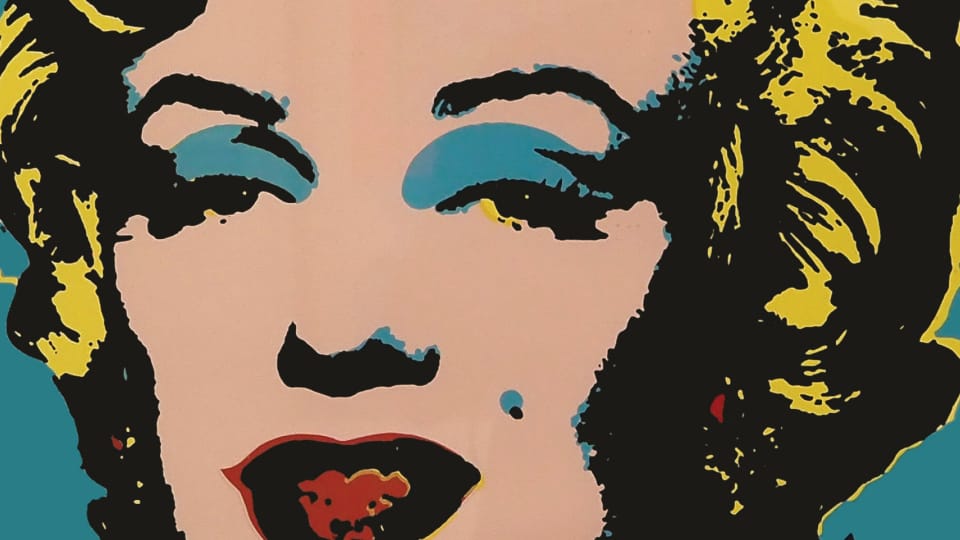
When the Supreme Court ruled in Andy Warhol Foundation for the Visual Arts, Inc. v. Goldsmith (2023) that the legendary artist’s transformation of a photographer’s shot of the musician Prince didn’t constitute fair use, the decision rocked the art world. Many contemporary artists appropriate existing works by design, a practice that began to proliferate in the earlier decades of the last century. Think Marcel Duchamp’s mustachioed Mona Lisa or Warhol’s—well, almost anything by Warhol.
Delve into the details of the Court’s opinion, however, and the portrait grows more complex. Section 107 of the Copyright Act provides a statutory framework of four factors to evaluate a given use of a copyrighted material is fair use. Warhol’s reasoning hinged on the first factor—the purpose and character of the use, and especially whether it is sufficiently transformative of the original work from which the new work is derived.

Christopher Jon Sprigman, Murray and Kathleen Bring Professor of Law, sees Warhol as an opportunity to bring a new, potentially clarifying lens to the ambiguities of fair use doctrine. In “Copyright, Meet Antitrust: The Supreme Court’s Warhol Decision and the Rise of Competition Analysis in Fair Use,” which appeared in the Yale Law Journal Forum in January 2025, Sprigman argues that the Court’s unexpected reasoning in Warhol paves the way for the application of antitrust competition analysis to questions of copyright, bridging a silo between two related but distinct areas of law. He discussed his paper in an interview.
Read full interview at NYU Law
- Date Published:12.9.2025
- Original Publication: NYU Law