
Back in 2011, as Nevada was developing regulations for automated driving, there was debate about whether vehicles should have a special external signal to indicate that they are in automated driving mode. The then-director of the state's Department of Motor Vehicles, Bruce Breslow, called this signal the "Bresbulb."
The discussion has outlasted the name. The Global Forum for Road Traffic Safety (WP.1) within the UN system recommends that automated driving systems at Levels 4 and 5 "[c]ommunicate with their users and other road users, in a clear, effective and consistent way, by providing sufficient information about their status
and intention." WP.1's close sibling, the World Forum for Harmonization of Vehicle Regulations (WP.29), continues to consider the topic. SAE Recommended Practice J3134, developed by The Organization FKA The Society of Automotive Engineers, envisions turquoise (blue-green) marker lamps.
Mercedes already uses this turquoise color to indicate when its Level 3 automated driving feature is engaged. And at least one automated driving developer in China uses similarly colored lamps on its Level 4 robotaxis (though I do not know whether these lamps remain turquoise when the vehicles are manually driven):
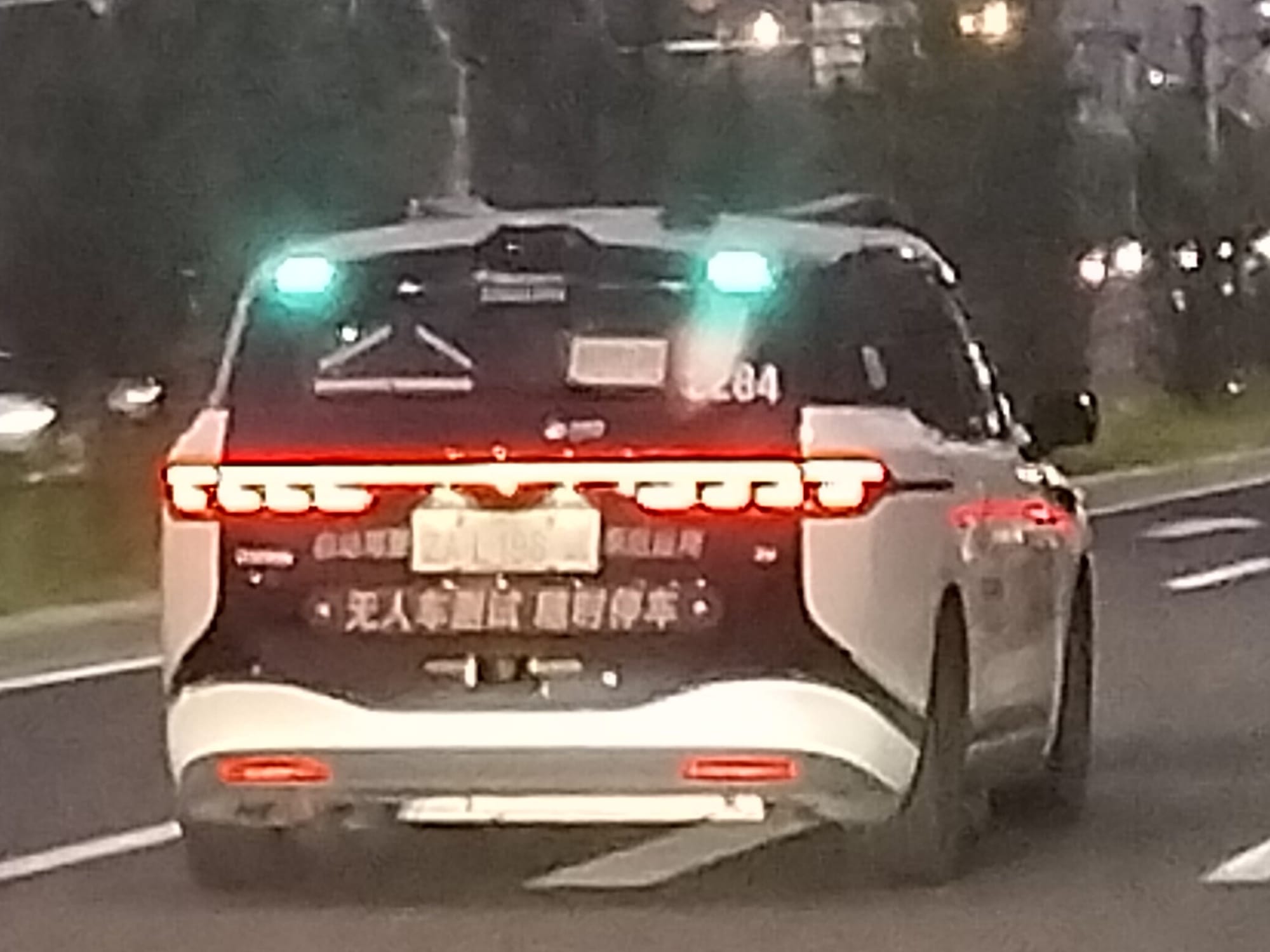
The point of this post is not to resolve ongoing questions about the purpose and efficacy of a turquoise lamp—or indeed of an external visual indicator of any kind– in the context of automated driving.
Rather, it is to flag that turquoise might be spreading from automated driving into driver support. Look at some of the vehicles, from more than one manufacturer, that are on display in this typical urban shopping mall in China:
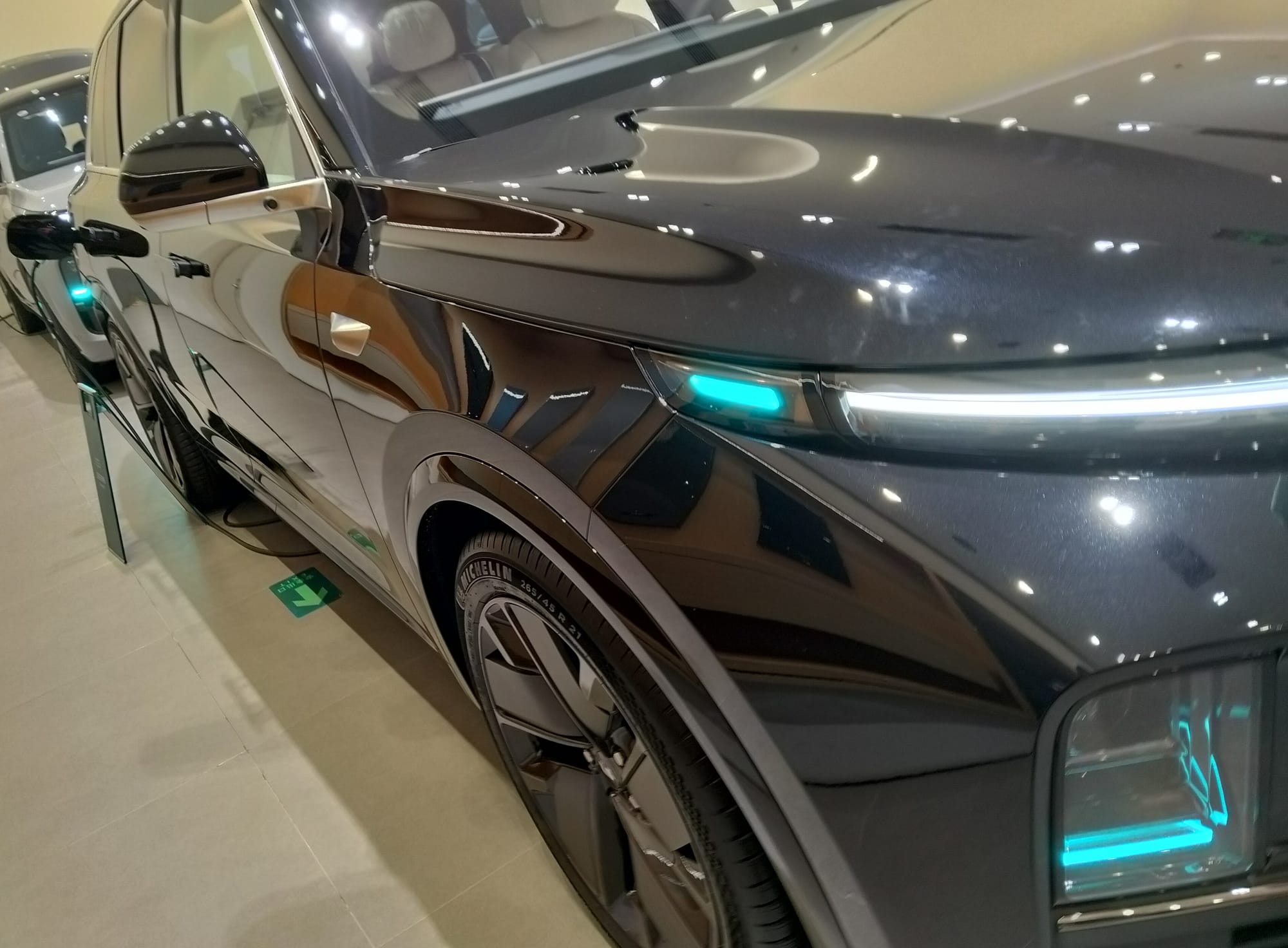
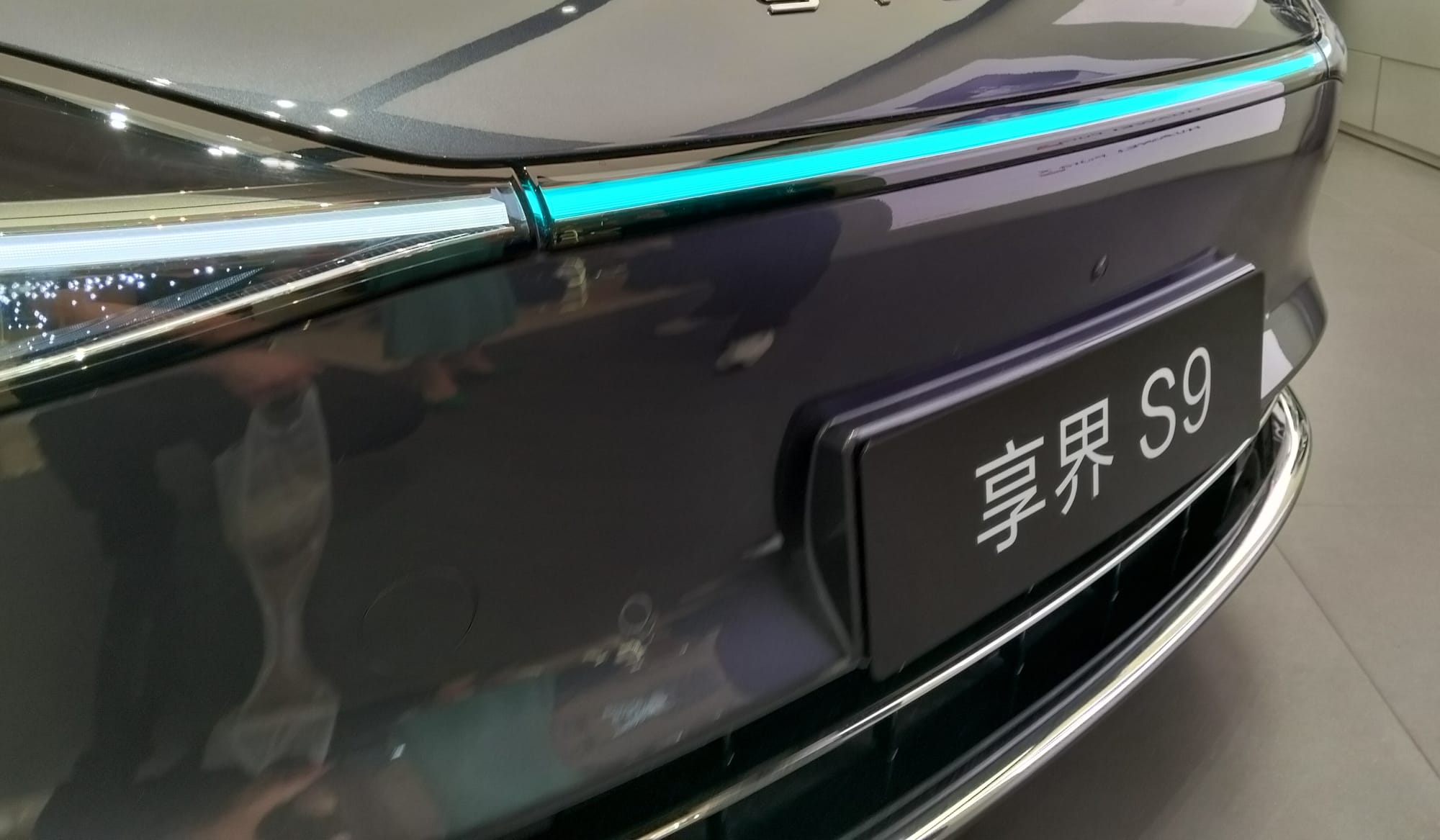
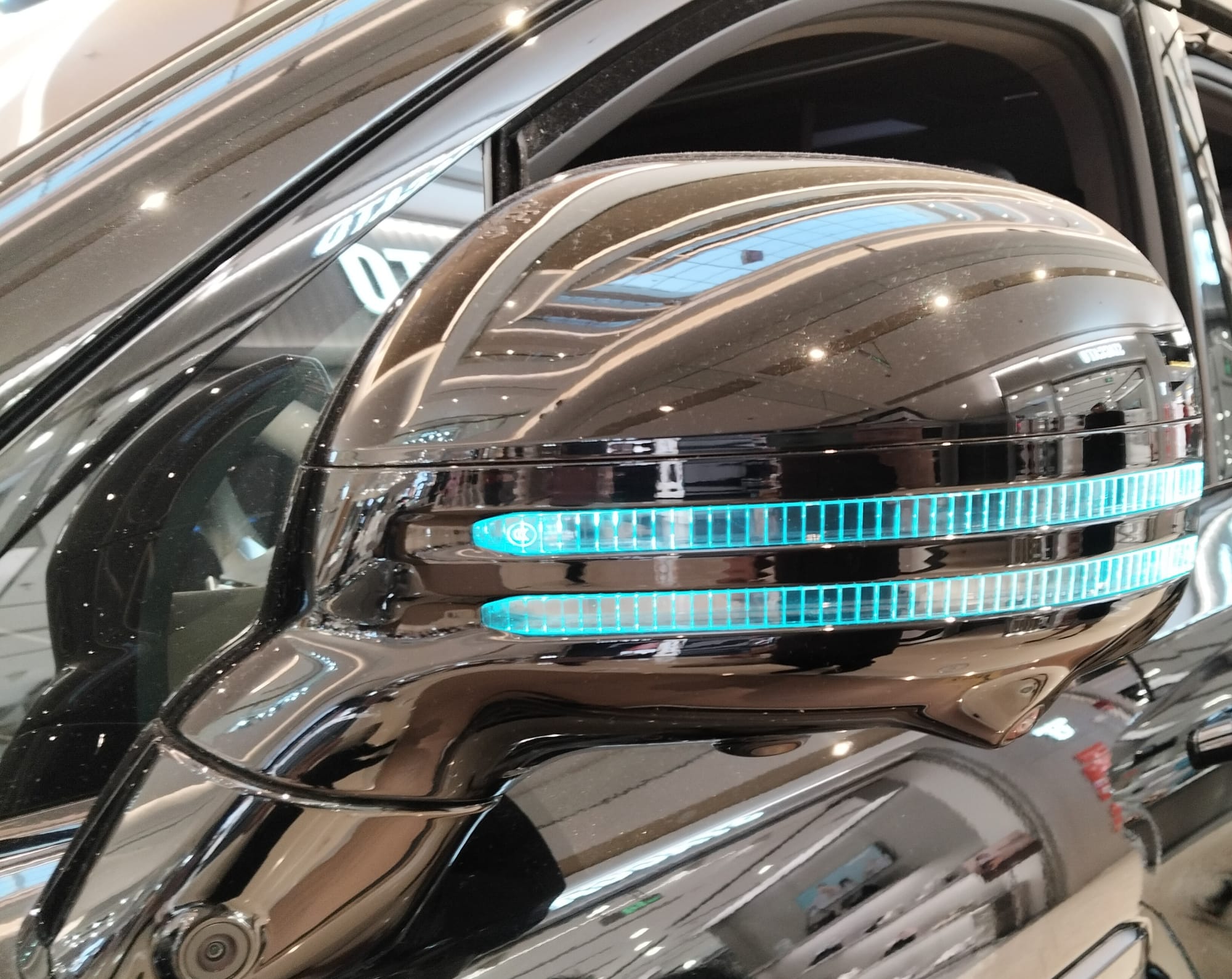
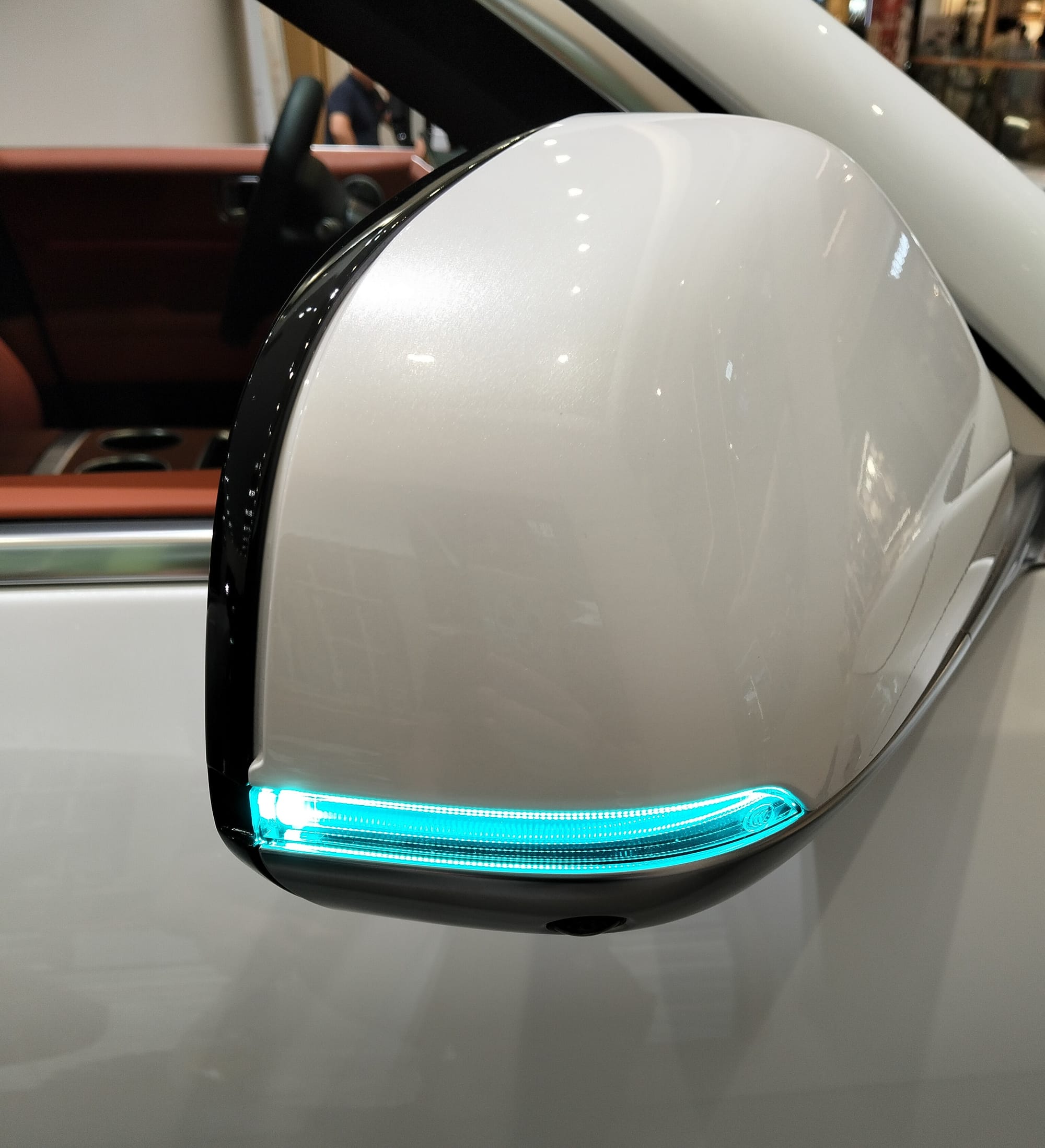
These vehicles currently have Level 2 driver support features. But driver support features (Levels 0-2) are not the same as automated driving features (Levels 3-5).
To its credit, China's Ministry of Industry and Information Technology (MIIT) has repeatedly emphasized that developers of driver support technologies must not "exaggerate the system's capabilities." The UK's Automated Vehicles Act 2024 prohibits marketing communications likely to cause confusion about a vehicle's automation capabilities. And many jurisdictions have broader prohibitions on misleading marketing generally. But even though multiple automated driving developers do seem to prefer shades of blue-green, it is unlikely that, at this point, the public broadly associates turquoise with automated driving.
Rather, the concern is this: If any vehicle displays a turquoise lamp when it does not have an automated driving system that is currently engaged, then relying on this color in the way that SAE J3134 and Mercedes intend will become impossible. When a police officer, pedestrian, cyclist, or motorist encounters a turquoise-illuminated vehicle and wonders if the person sleeping or playing video games inside should instead be paying attention, "maybe no but also maybe yes" is not a sufficient answer.
Vehicle safety regulators for major industrialized markets are generally skeptical of new external indicators. For example, the US National Highway Traffic Safety Administration (NHTSA)'s strict lighting standard, FMVSS 108, specifies the colors of required lamps and provides that "[n]o additional lamp ... is permitted" in new or imported vehicles if that lamp "impairs the effectiveness of lighting equipment required by this standard." And I have not yet noticed personal vehicles featuring turquoise-illuminated lamps on public roads in China or elsewhere (mostly).
Nonetheless, the showrooms I visited suggest that some automakers are marketing vehicles with turquoise lamps but without functional automated driving systems. To at least preserve the option of using this color in connection with automated driving, safety regulators around the world should be on the lookout for turquoise—in new vehicles, in imported vehicles, and in retrofitted vehicles.